



2026 Hyundai Palisade Recall: A Comprehensive Solution for Rear-Seat Safety Innovations
As a seasoned automotive industry professional with a decade immersed in vehicle safety and consumer electronics integration, I’ve witnessed firsthand the intricate dance between cutting-edge technology and its real-world implications. The recent developments surrounding the 2026 Hyundai Palisade recall serve as a stark, albeit crucial, reminder of this dynamic. While the news of a recall for the 2026 Hyundai Palisade’s powered rear seats might initially sound alarming, the swift and robust solution implemented by Hyundai demonstrates a commitment to consumer safety that is paramount in today’s evolving automotive landscape. This extensive analysis delves into the specifics of the issue, the groundbreaking nature of the fix, and its broader implications for the future of midsize three-row SUV safety technology, including potential comparisons with contemporary rivals like the Kia Telluride recall status.
The initial reports that emerged in late March painted a concerning picture: certain trims of the 2026 Hyundai Palisade, specifically the Limited and Calligraphy variants of both the gasoline and hybrid models, were found to have powered second- and third-row seats that were not reliably detecting the presence of passengers or objects. This oversight, tragically, was linked to a single fatality and four minor injuries, underscoring the critical importance of accurate occupant detection systems. This situation, while deeply regrettable, has spurred Hyundai into action, culminating in the release of a comprehensive software revision designed to permanently address these safety concerns for 2026 Hyundai Palisade owners.
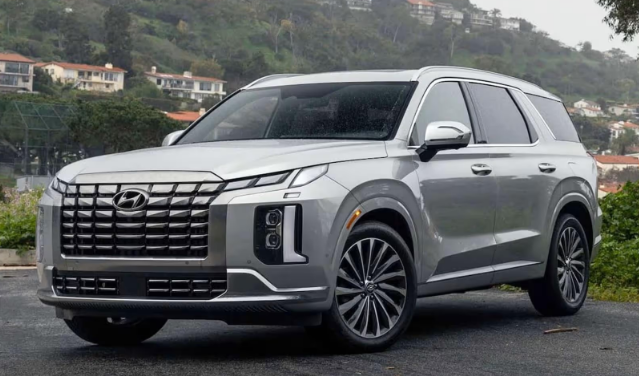
It’s important to distinguish between a temporary mitigation and a definitive solution. Following the initial discovery, Hyundai did provide an interim software update. This temporary fix aimed to reduce the risk of injury by recalibrating the powered rear-seat functions. However, it was explicitly stated that this was not the final, certified resolution. As of early April, the automotive giant has now rolled out a permanent software update. This latest iteration is engineered to preemptively eliminate the risks of suffocation and other injuries that could arise from the inadvertent activation of the powered folding and tilting mechanisms – what Hyundai aptly terms the “walk-in” function – of the second and third rows. This proactive approach to addressing potential hazards is a testament to the industry’s growing emphasis on proactive safety measures, especially as new SUV models incorporate increasingly sophisticated automation.
Decoding the Engineering Behind the 2026 Hyundai Palisade Safety Enhancement
The core of the solution lies in a sophisticated software recalibration. My experience suggests that complex systems like powered seats require meticulous tuning, and the changes implemented by Hyundai reflect a deep understanding of the potential failure points. The updated software doesn’t just make minor adjustments; it fundamentally redefines how the folding, stowing, and tilting operations are initiated and executed, while simultaneously bolstering the system’s ability to discern occupants and objects.
One of the most significant changes involves the deactivation of folding and stowing controls directly through the infotainment screen. While touchscreens offer unparalleled convenience, their broad accessibility can sometimes be a double-edged sword in safety-critical systems. By removing this control from the primary touchscreen interface, Hyundai is effectively preventing accidental activation during normal driving or while interacting with other vehicle functions. This is a smart move, leveraging the principle of limiting access to functions that, if triggered inadvertently, could lead to severe consequences.
Furthermore, the physical switches located in the seat and cargo areas have undergone a crucial modification. Previously, a single press might have been sufficient to initiate folding. Now, these switches will necessitate a sustained “press-and-hold” operation. This subtle yet powerful change introduces a deliberate action, significantly reducing the likelihood of accidental deployment. This design philosophy is reminiscent of safety protocols in other high-stakes industries, where multiple confirmation steps are often required for critical actions. The emphasis on a deliberate, sustained input is a cornerstone of enhanced user interface safety for advanced vehicle features.
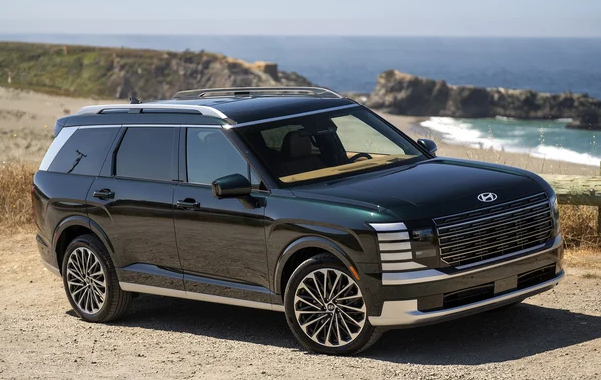
The second-row tilt function also sees a similar evolution. While the one-touch operation for returning the seat to its original position will remain – a thoughtful inclusion to maintain a degree of user convenience – the initial tilting action will now also require a press-and-hold command. Similarly, the seat-back reclining function during the return operation will necessitate a sustained press. This layered approach ensures that the most impactful seat movements require conscious and sustained user interaction, effectively creating a digital “two-factor authentication” for potentially hazardous seat movements.
Perhaps the most critical enhancement within the software update is the improved logic for occupant and object detection. The updated algorithms are now more adept at identifying a person or object within the seat’s path of motion. Upon detection, the system will immediately halt the folding and tilting functions before they can be fully completed. This intelligent sensing capability is a significant leap forward, moving beyond simple proximity alerts to actively preventing potentially dangerous scenarios. For consumers considering luxury SUVs with advanced safety, this level of integrated sensing is precisely what they should expect. The 2025 SUV safety standards are increasingly pushing manufacturers towards such sophisticated detection systems.
Finally, a key operational constraint has been implemented for the fold-flat seat stowage function: the liftgate must be open for this feature to be engaged. This is a practical and intuitive safeguard. Stowing seats in a flat position is typically done when loading cargo, and requiring the liftgate to be open naturally aligns with this use case, preventing accidental stowage when the vehicle is occupied or in transit. This intelligent design choice streamlines functionality while simultaneously enhancing safety.
Navigating the Broader Recall Landscape: The Kia Telluride Context
It’s impossible to discuss issues with powered rear seats in this segment without acknowledging the broader industry context. As of the current reporting, Kia has not yet officially released a similar software update for its comparable models, specifically the 2027 Telluride Hybrid SX Prestige and the X-Line SX Prestige with the Executive package, which share much of their underlying architecture with the Palisade. My professional network has been monitoring this closely, and while official statements are awaited, the delay is notable. For owners of these affected Kia Tellurides, continued vigilance regarding second-row occupancy during the use of tilt and folding functions remains essential. The anticipation for a comparable Kia Telluride software fix highlights the interconnectedness of automotive platforms and the shared responsibility manufacturers have in ensuring the safety of their vehicles. This situation also underscores the importance of auto safety recalls and keeping abreast of manufacturer communications.
The Imperative of Prompt Recall Action
The good news for Hyundai Palisade owners is that this software update is provided completely free of charge. This is standard practice for safety recalls, and Hyundai’s commitment to rectifying the issue without burdening its customers is commendable. For those who require a physical visit to their local dealership, the service advisors are equipped to provide guidance on the earliest availability for the update. Furthermore, dealerships are typically instructed to assist with rental vehicles or alternative transportation arrangements while the repair is being completed. Owners are encouraged to familiarize themselves with Hyundai’s specific rental reimbursement agreement for recall repairs to ensure they are fully informed of their entitlements. Taking advantage of these provisions ensures minimal disruption while prioritizing safety. This is a critical aspect of automotive repair services and customer care during a recall.
This recall, while concerning at its outset, ultimately serves as a powerful case study in how the automotive industry is rapidly adapting to the complexities of modern vehicle technology. The proactive and comprehensive solution implemented by Hyundai for the 2026 Hyundai Palisade demonstrates a commitment to passenger well-being that extends beyond mere compliance. It reflects a forward-thinking approach to safety, integrating advanced software solutions to mitigate risks associated with increasingly automated features. For prospective buyers in the market for three-row family SUVs, this robust response should instill confidence in Hyundai’s dedication to producing safe and reliable vehicles. The ongoing developments in SUV safety technology and the manufacturers’ responses to recalls are crucial factors for informed purchasing decisions.
The evolution of vehicle safety is an ongoing journey, and manufacturers like Hyundai are at the forefront of this transformation. The meticulous software engineering behind the 2026 Palisade’s rear-seat recall fix is a testament to their dedication. As we continue to embrace vehicles with sophisticated automated functions, the industry’s ability to swiftly and effectively address potential safety concerns will remain a defining characteristic of automotive excellence. The pursuit of the safest possible driving experience for every occupant is not just a goal; it’s a fundamental responsibility.
If you are a 2026 Hyundai Palisade owner, we strongly encourage you to schedule your appointment to receive this vital software update as soon as possible. Visit your local Hyundai dealership or explore the possibility of an over-the-air update if you have an active Bluelink subscription. Ensuring your vehicle is equipped with the latest safety enhancements is the most important step you can take for your peace of mind and the well-being of your passengers.